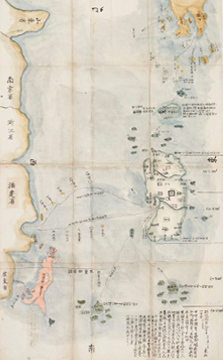
Ryukyu Kobudo is a traditional art of weapons handling that originated in the Ryukyu Islands (historical Ryukyu Kingdom, today Okinawa, Japan). Unlike many “military” systems of mainland Japan, Ryukyu Kobudo developed at the crossroads of cultures: Ryukyu maintained trade and diplomatic ties with China, Korea, Southeast Asian countries, and Japan for centuries. This openness influenced local fighting traditions, both unarmed schools (te/karate) and weapons training: control of distance, timing, body control, and discipline were always at the center.
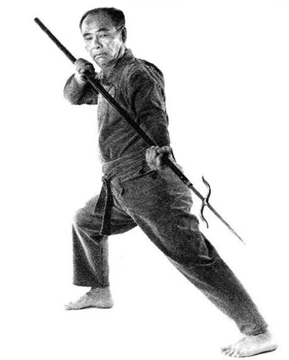
The origins of Kobudo are associated with the practice of protection and everyday life: tools for labor, crafts, and escorting caravans and officials were widely used in Ryukyu life. Over time, some of these items acquired practical combat use and became the basis of the traditional set of weapons. The most famous directions of work: bō (long staff), sai (metal rods), tonfa, nunchaku, kama (sickles), eku (paddle), tekko, tinbē/rochin (shield and short weapon). It is important to understand: kobudo is not “tricks” or a demonstration of brute force, but a practical tradition of precision, safety and complete control of movement.
Historically, Ryukyu kobudo developed alongside Okinawan karate and was often passed down with it as part of general combat education. The principles of balance, movement, body work and center control are equally important in both unarmed and armed practice – which is why these directions complement each other.
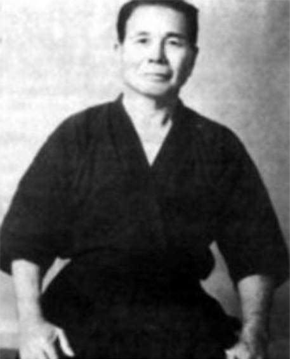
На початку ХХ століття виникла потреба зберегти та систематизувати збройові традиції Рюкю, щоб вони не зникли на тлі модернізації. Важливим кроком стало створення майстром Ябіку Моденом (Yabiku Moden) дослідницького об’єднання Ryukyu Kobujutsu Kenkyu Kai (близько 1911 року), де ката збиралися, порівнювалися та фіксувалися, формуючи стійкішу лінію передання.